With increasing consumption of plastic, nylon, PET containers and rubber products in the world, the volume of industrial and home waste has increased dramatically. Managing these waste is one of the most important environmental challenges. Arshia Industry Company Using the latest technology, designs and manufactures nylon and tire recycling lines to return to the production cycle in addition to reducing pollution.
The importance of recycling nylon pet and rubber
Recycling nylon pet and tires not only prevents the accumulation of non -disintegrated waste in nature, but also saves energy and raw materials. Statistics show that with the recycling of one ton of PET, about 1.5 tonnes of crude will save. Also used tires, which are produced and discarded annually, with advanced recycling technology can be re -converted to raw materials or new products.
Introduction to Nylon Pet and Tires Recycling Lines
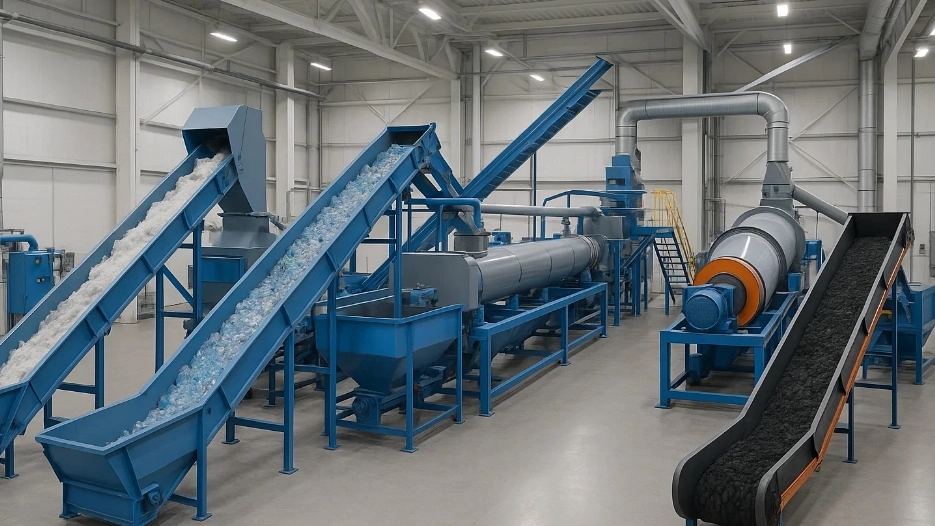
Nylon Pet and Rubber Recycling Lines are a set of industrial equipment and machinery that perform the process of separation, wash, crushing, drying and melting of waste materials. Arshia Industry Company Using its engineering knowledge and industrial experience, designing these lines in a modern and efficient way and provides manufacturers.
PET recycling steps
Nylon recycling steps
Rubber recovery steps
Benefits of Arshia Industry Recycling Lines
- Custom Design: Based on the type of matter and volume of production.
- Optimal energy consumption: use low -use technology.
- High output quality: Granules clean and uniform: Machinery with abrasion -resistant materials.
- Support and after -sales service: Operators training, spare parts and production consulting.
The role of technology in enhancing recycling productivity
Company Arshia Industry Optures the performance of nylon pet and tire recycling lines using PLC control systems and smart sensors. This technology enables careful monitoring of the process and reduction of waste.
Recycled Products Market
Granules from Nylon Pet and Rubber Recycling are used in many industries:
- Production of Packaging Movies
- Making new bottles and containers
- Production of flooring and sports components
- Using asphalt and construction structures
Economic and environmental impact of recycling lines
Investing in nylon and tire recycling lines is not only economically profitable, but also helps protect the environment by reducing waste volume. Arshia Industry Brand The brand has provided new technologies for sustainable development in the plastics and rubber industry.
Conclusion
Nylon Pet and Tire Recycling Lines designed and supplied by Arshia Industry are a combination of industrial innovation and social responsibility. Using modern equipment and adhering to international standards, these lines are the best way to return valuable materials to the production cycle and reduce environmental pollution.